
Category: Shop

  • Timeless Glamour: Indulge in Luxury French Fashion Brands for Your Wardrobe

    Timeless Glamour: Indulge in Luxury French Fashion Brands for Your Wardrobe

    [MRJT] -France is renowned for its rich fashion heritage, and Paris, in particular, is a hub for high-end fashion. French fashion is characterized by its elegance, sophistication, and a certain je ne sais quoi that is hard to replicate. Here are some famous French fashion brands that embody the essence of French style:

    Luxury French Fashion Brands

    • Louis Vuitton: Known for its iconic monogram pattern and high-quality leather goods        Louis Vuitton is a French luxury fashion house and company founded in 1854 by Louis Vuitton. The brand is known for its iconic LV monogram, which appears on most of its products, ranging from luxury bags and leather goods to ready-to-wear, shoes, perfumes, watches, jewelry, accessories, sunglasses, and books
    • History and PhilosophyLouis Vuitton was founded by Louis Vuitton, a French box maker and entrepreneur who introduced innovations to luggage during his lifetime. The brand grew from a family-run business into a global brand with stores around the world under the stewardship of Georges Vuitton’s son, Gaston-Louis Vuitton, and later under steel magnate Henry RacamierThe brand’s philosophy emphasizes the contrast between tradition and modernity, combining high-quality craftsmanship with innovation and creativity. The brand identity is closely tied to its heritage, as seen in its emphasis on the art of travel and fine living
    • ProductsLouis Vuitton offers a wide range of products, including:
      • Trunks and Handbags: Louis Vuitton has been making trunks since the 19th century. From 1959, the brand revamped its signature Monogram Canvas to make it more usable for handbags, wallets, and other leather accessories
      • Shoes: Louis Vuitton offers a variety of shoes, from classic designs to more modern and trendy styles
      • Watches: The brand has expanded into the timepieces market, offering high-end watches
      • Jewelry: Louis Vuitton has also entered the jewelry market, offering exclusive and luxurious pieces.
      • Accessories: The brand offers a range of accessories, from scarves to sunglasses, that reflect its luxury and high-end status
      • Ready-to-Wear: Louis Vuitton has a full fashion range featuring the work of top designers, including Marc Jacobs and Virgil Abloh
    • Brand StrategyLouis Vuitton has been reinforcing its position within the high-end segment of the luxury market, balancing its massive global presence with the objective of leveraging luxury and exclusivity. The brand focuses on limiting its own visibility to prevent overexposure and has been successful in expanding its position in the fast-growing timepieces market and jewelry
    • SWOT AnalysisThe brand’s strengths include its brand name and brand recognition, strong overall market share within the luxury segment, and products viewed as an exclusive status symbol. However, the brand’s weaknesses include low or limited production capabilities, with handmade goods being a significant part of its offerings
    • ConclusionLouis Vuitton is a renowned luxury fashion house that has been a symbol of high society for over a century. From its origins as a master trunk maker to its current status as a global brand, Louis Vuitton has consistently innovated and expanded its offerings to stay at the forefront of luxury fashion.
    • Chanel: A legendary fashion house famous for its timeless designs, luxurious fabrics, and impeccable craftsmanship

                        Chanel is a French luxury fashion house founded by Gabrielle Bonheur Chanel in 1909. The brand is known for its iconic designs, luxurious fabrics, and impeccable craftsmanship. Here are some of the most popular Chanel products:Handbags

    • Chanel 2.55 Handbag: A classic design that has been in production since 1955, the 2.55 is a timeless and elegant bag that is a staple of the Chanel brand
    • Chanel Boy Bag: A modern and edgy design, the Boy Bag is a popular choice among fashionistas who want a stylish and versatile bag
    • Perfumes
    • Chanel No.5 Perfume: One of the most iconic perfumes in the world, Chanel No.5 is a timeless classic that has been a favorite among women for generations
    • COCO MADEMOISELLE Perfume: A modern and sophisticated perfume, COCO MADEMOISELLE is a popular choice among women who want a fragrance that is both elegant and alluring
    • Jewelry
    • Chanel Pearl Necklace: A classic and elegant design, the Pearl Necklace is a timeless choice among jewelry lovers who want a sophisticated and luxurious accessory
    • Watches
    • Chanel J12 Watch: A modern and stylish watch, the J12 is a popular choice among fashionistas who want a watch that is both elegant and functional
    • Skin Care and Makeup
    • Sublimage L’Extrait de Nuit: A luxurious skin care product that is designed to target fine lines, dryness, and dullness, Sublimage L’Extrait de Nuit is a popular choice among those who want to achieve a youthful and radiant complexion
    • Hydra Beauty Micro Crème Yeux: A moisturizing eye cream that is designed to hydrate and soothe the delicate skin around the eyes, Hydra Beauty Micro Crème Yeux is a popular choice among those who want to reduce the appearance of fine lines and wrinkles
    • Ultra Le Teint: A foundation that is designed to provide a natural-looking finish, Ultra Le Teint is a popular choice among those who want a makeup product that is both elegant and easy to use
    • Fragrances No. 5 Eau de Parfum: A classic and timeless fragrance, No. 5 Eau de Parfum is a popular choice among those who want a perfume that is both elegant and sophisticated
    • No. 1 de Chanel Revitalizing Serum: A fragrance that is designed to provide a youthful and radiant glow, No. 1 de Chanel Revitalizing Serum is a popular choice among those who want a perfume that is both elegant and alluring
    • Other Products
    • Chanel No. 5 Eau de Parfum Body Oil Set: A luxurious body oil set that is designed to provide a soft and radiant glow, Chanel No. 5 Eau de Parfum Body Oil Set is a popular choice among those who want to pamper themselves with a luxurious and indulgent product
    • These products are just a few examples of the many iconic and luxurious products that Chanel offers. The brand is known for its attention to detail, its commitment to quality, and its ability to create products that are both timeless and modern
    • Christian Dior: A symbol of French elegance and sophistication, Dior is famous for its haute couture and ready-to-wear collections
    • Saint Laurent: A fashion brand that embodies the spirit of Parisian chic, Saint Laurent is known for its edgy and sophisticated designs
    • Balmain: A luxury fashion brand that combines French elegance with a modern twist, Balmain is famous for its glamorous and sophisticated designs
    • Givenchy: A fashion brand that exudes French sophistication and elegance, Givenchy is known for its luxurious fabrics and impeccable craftsmanship
    • Christian Louboutin: A luxury fashion brand famous for its high-quality shoes and accessories, Louboutin is known for its iconic red sole
    • Lanvin: A luxury fashion brand with a rich history dating back to 1889, Lanvin is famous for its timeless designs and luxurious fabrics
    • Mid-Range French Fashion Brands
    • Sézane: A Parisian clothing brand that offers high-quality, sustainable pieces crafted for everyday wear
    • Sandro: A fashion brand that combines French elegance with a modern twist, Sandro is known for its high-quality materials and attention to detail
    • Maje: A fashion brand that embodies the spirit of Parisian chic, Maje is famous for its high-quality materials and sophisticated designs
    • Ba&sh: A fashion brand that offers a range of clothing items, from dresses to tops and pants, Ba&sh is known for its high-quality materials and attention to detail
    • Rouge: A fashion brand that offers a range of clothing items, from dresses to tops and pants, Rouge is known for its high-quality materials and attention to detail
    • Soeur: A French clothing brand dedicated to timeless styles, sustainable fabrics, and functional details
    • Comptoir Des Cotonniers: A brand that offers accessible price points and beautifully made clothes, this label is the epitome of street style with an affordable price
    • Simone Perle: A brand that makes the absolute best French lingerie, Simone Perle is known for its exquisite designs and comfort

    Streetwear and Contemporary French Fashion Brands

    • A.P.C. (Atelier de Production et de Création): A brand that aims to “perfect unostentatious clothes,” A.P.C. is known for its minimalist style and classic pieces
    • Jonak: A brand that carries a wide range of shoes, from loafers to derbies, Jonak is known for its quality and affordable prices
    • Polène: A French luxury handbag company that has become quite popular over the last several years, Polène is known for its affordable luxury handbags
    • Claudie Pierlot: A fashion brand that offers a range of clothing items, from dresses to tops and pants, Claudie Pierlot is known for its high-quality materials and attention to detail
    • Rosaé Paris: A fashion brand that offers a range of clothing items, from dresses to tops and pants, Rosaé Paris is known for its high-quality materials and attention to detail
    • Salomon: A fashion brand that offers a range of clothing items, from dresses to tops and pants, Salomon is known for its high-quality materials and attention to detail

    These brands are just a few examples of the many famous French fashion brands that are known for their elegance, sophistication, and attention to detail. They embody the essence of French fashion, which is characterized by its understated yet stylish approach to clothing.
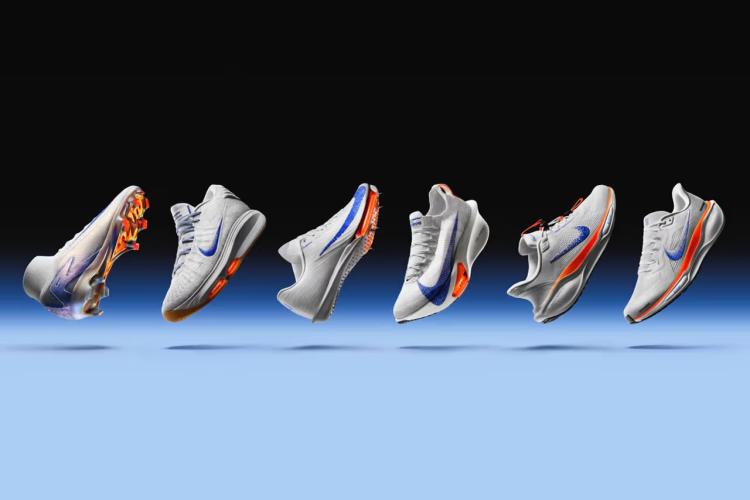
  • The Future of Footwear: Nike’s Cutting-Edge Technology in 2024

    The Future of Footwear: Nike’s Cutting-Edge Technology in 2024

    In the dynamic world of footwear, Nike has long been a pioneering force, continually pushing the boundaries of innovation and design. As we step into 2024, Nike continues to lead the way with groundbreaking technologies that revolutionize the way we think about athletic performance, comfort, and style.

    Revolutionizing Performance

    Nike’s commitment to performance excellence remains unwavering, with a focus on developing technologies that enhance athletes’ abilities and push the limits of human potential. In 2024, Nike introduces advancements such as adaptive fit systems, responsive cushioning, and lightweight materials that optimize performance across a range of sports and activities. Whether it’s running, basketball, or training, athletes can rely on Nike footwear to provide the support, stability, and agility they need to excel.

    sponsored

    • Commitment to Excellence: Nike has a long-standing commitment to excellence in performance footwear. This dedication is evident in the company’s relentless pursuit of innovation and its focus on developing technologies that empower athletes to reach their full potential. Nike’s goal is not only to meet the needs of athletes but also to exceed their expectations, pushing the boundaries of what is possible in athletic performance.
    • Advanced Technologies: In 2024, Nike introduces a new wave of cutting-edge technologies designed to revolutionize performance. These advancements include adaptive fit systems, which use advanced materials and construction techniques to create a customized fit that conforms to the unique shape of each athlete’s foot. This ensures maximum comfort and support, minimizing distractions and allowing athletes to focus on their performance.
    • Responsive Cushioning: Nike’s footwear features responsive cushioning systems that provide optimal energy return and impact protection. This helps athletes maintain their momentum and perform at their best, even during intense activities. Whether running, jumping, or cutting, Nike’s cushioning technology absorbs shock and delivers a spring-like response, propelling athletes forward with every stride.
    • Lightweight Materials: Nike is constantly pushing the boundaries of material science to develop lightweight yet durable materials that enhance performance. In 2024, Nike introduces new lightweight materials that offer superior strength-to-weight ratios, allowing athletes to move more efficiently and effortlessly. This reduces fatigue and improves agility, giving athletes a competitive edge in their respective sports and activities.
    • Optimized Performance: Whether it’s on the track, the court, or the training field, Nike footwear is designed to optimize performance across a range of sports and activities. From running shoes that provide unparalleled cushioning and support to basketball shoes that offer enhanced traction and stability, Nike’s footwear is engineered to help athletes excel in their chosen disciplines. Athletes can rely on Nike footwear to deliver the performance they need to achieve their goals and surpass their limits.

    In summary, Nike’s commitment to revolutionizing performance in footwear is evident in its relentless pursuit of innovation and its focus on developing technologies that enhance athletes’ abilities. With advancements such as adaptive fit systems, responsive cushioning, and lightweight materials, Nike continues to push the boundaries of what is possible in athletic performance, empowering athletes to reach new heights of success and achievement.

    sponsored

    Elevating Comfort

    sponsored

    Comfort is paramount in footwear, and Nike continues to prioritize the comfort of its consumers with innovative technologies designed to provide a personalized and luxurious experience. In 2024, Nike introduces customizable cushioning systems, 3D-printed midsoles, and adaptive materials that mold to the shape of the foot, ensuring a snug and comfortable fit with every step. From casual sneakers to performance running shoes, Nike’s footwear offers unparalleled comfort that keeps wearers feeling fresh and energized all day long.

    • Consumer-Centric Approach: Nike places a strong emphasis on understanding and addressing the needs of its consumers, and comfort is a top priority. Recognizing that comfort plays a crucial role in the overall experience of wearing footwear, Nike is dedicated to developing innovative technologies that prioritize comfort without compromising performance or style.
    • Personalized Experience: In 2024, Nike takes comfort to the next level by introducing customizable cushioning systems. These systems allow wearers to adjust the level of cushioning in their shoes according to their preferences and needs. Whether you prefer a plush feel or a firmer ride, Nike’s customizable cushioning systems ensure that you get the perfect level of comfort for your individual needs.
    • Advanced Materials: Nike utilizes advanced materials in its footwear to enhance comfort and provide a luxurious experience for wearers. One such innovation is the use of 3D-printed midsoles, which are designed to conform to the shape of the foot for a custom fit. This technology ensures that every wearer gets a personalized level of support and cushioning, resulting in unparalleled comfort with every step.
    • Adaptive Design: Nike’s commitment to comfort is further exemplified by its use of adaptive materials that mold to the shape of the foot. These materials react to the wearer’s movements and provide targeted support and cushioning where it’s needed most. Whether you’re walking, running, or standing for long periods, Nike’s adaptive materials ensure a snug and comfortable fit that keeps you feeling fresh and energized throughout the day.
    • Versatile Applications: Nike’s focus on comfort extends across its entire range of footwear, from casual sneakers to performance running shoes. Whether you’re hitting the streets for a leisurely stroll or logging miles on the track, Nike’s footwear offers unparalleled comfort that caters to the needs of wearers in any situation. With Nike, you can enjoy all-day comfort without sacrificing style or performance.

    In summary, Nike’s commitment to elevating comfort in footwear is evident in its consumer-centric approach, innovative technologies, and advanced materials. Whether through customizable cushioning systems, 3D-printed midsoles, or adaptive materials, Nike ensures that wearers experience unparalleled comfort with every step. By prioritizing comfort without compromising on performance or style, Nike continues to set the standard for comfortable footwear that keeps wearers feeling fresh and energized all day long.

    Embracing Sustainability

    As environmental concerns become increasingly urgent, Nike is committed to sustainability and eco-conscious practices in its footwear production. In 2024, Nike leads the industry with initiatives such as recycled materials, eco-friendly manufacturing processes, and circular design principles that minimize waste and reduce the environmental footprint of its products. By prioritizing sustainability, Nike not only contributes to a healthier planet but also sets a precedent for responsible business practices in the footwear industry.

    • Environmental Awareness: Nike recognizes the pressing need to address environmental concerns, including climate change, resource depletion, and pollution. As a global leader in the footwear industry, Nike is committed to taking proactive steps to reduce its environmental impact and contribute to a healthier planet for future generations.
    • Comprehensive Initiatives: In 2024, Nike leads the industry with a comprehensive set of sustainability initiatives aimed at minimizing its environmental footprint. These initiatives encompass every aspect of footwear production, from materials sourcing to manufacturing processes to end-of-life management. By adopting a holistic approach to sustainability, Nike ensures that its products are produced in a way that is both environmentally responsible and socially beneficial.
    • Recycled Materials: One of Nike’s key sustainability initiatives is the use of recycled materials in its footwear production. By incorporating recycled materials, such as recycled polyester, recycled rubber, and recycled plastics, Nike reduces the demand for virgin resources and helps divert waste from landfills. This not only conserves natural resources but also reduces greenhouse gas emissions and other environmental impacts associated with the extraction and processing of raw materials.
    • Eco-Friendly Manufacturing: Nike is committed to implementing eco-friendly manufacturing processes that minimize energy consumption, water usage, and emissions. In 2024, Nike continues to invest in renewable energy sources, energy-efficient technologies, and water-saving practices to reduce the environmental footprint of its manufacturing operations. By optimizing resource efficiency and minimizing pollution, Nike strives to minimize its environmental impact while maintaining high standards of quality and performance.
    • Circular Design Principles: Nike embraces circular design principles that prioritize product durability, reparability, and recyclability. By designing footwear with longevity in mind and incorporating modular components that can be easily disassembled and recycled, Nike extends the lifespan of its products and reduces waste. Additionally, Nike explores innovative solutions, such as closed-loop recycling systems, to create a circular economy where materials are continuously reused and recycled, further minimizing the environmental impact of its products.
    • Setting a Precedent: By prioritizing sustainability, Nike sets a precedent for responsible business practices in the footwear industry and beyond. As a global leader, Nike’s commitment to sustainability sends a powerful message to consumers, competitors, and other stakeholders that environmental stewardship is a fundamental aspect of doing business responsibly. By leading by example, Nike inspires others to follow suit and contributes to positive change on a global scale.

    In summary, Nike’s embrace of sustainability in footwear production is evident in its comprehensive initiatives, including the use of recycled materials, eco-friendly manufacturing processes, and circular design principles. By prioritizing sustainability, Nike not only reduces its environmental footprint but also sets a precedent for responsible business practices in the footwear industry. Through innovation, collaboration, and a commitment to continuous improvement, Nike strives to create a more sustainable future for generations to come.

    Embracing Digitalization

    In the digital age, Nike embraces technology not only in its product development but also in its retail and consumer experiences. In 2024, Nike leverages augmented reality (AR) and virtual try-on technology to enhance the online shopping experience, allowing customers to virtually “try on” shoes and see how they look and fit before making a purchase. Additionally, Nike’s personalized recommendations and customization options empower consumers to create bespoke footwear that reflects their individual style and preferences.

    • Augmented Reality (AR) Technology: In 2024, Nike integrates augmented reality (AR) technology into its online shopping experience, revolutionizing the way customers shop for footwear. Through AR, customers can virtually “try on” shoes from the comfort of their own homes using their smartphones or tablets. By superimposing digital images of shoes onto real-world environments, AR allows customers to see how the shoes look and fit before making a purchase, providing a more immersive and interactive shopping experience.
    • Virtual Try-On Technology: Building upon AR technology, Nike also introduces virtual try-on technology that goes beyond simply visualizing shoes in AR. This technology enables customers to virtually try on shoes in real-time, allowing them to see how the shoes fit and feel as they move and walk. By simulating the experience of wearing the shoes, virtual try-on technology provides customers with a more realistic and accurate representation of the product, helping them make more informed purchasing decisions.
    • Personalized Recommendations: Nike leverages data analytics and machine learning algorithms to provide personalized recommendations to customers based on their preferences, purchase history, and browsing behavior. By analyzing vast amounts of data, Nike can offer tailored product recommendations that align with each customer’s individual style, preferences, and needs. This personalized approach enhances the shopping experience, helping customers discover new products and find the perfect footwear for their unique tastes.
    • Customization Options: Nike empowers customers to create bespoke footwear that reflects their individual style and preferences through customization options. In 2024, Nike expands its customization capabilities, allowing customers to personalize various aspects of their shoes, including colors, materials, and design elements. By giving customers the freedom to customize their footwear, Nike enables them to express their creativity and individuality, fostering a deeper connection between the brand and its customers.
    • Seamless Omni-Channel Experience: Nike seamlessly integrates its digital and physical retail channels to provide customers with a unified and cohesive shopping experience. Whether shopping online or in-store, customers can access the same personalized recommendations, customization options, and virtual try-on technology, ensuring consistency and continuity across all touchpoints. This omni-channel approach enables customers to engage with the brand on their preferred platforms and enhances convenience and accessibility.

    In summary, Nike’s embrace of digitalization in its retail and consumer experiences reflects its commitment to innovation, convenience, and personalization. By leveraging technologies such as augmented reality, virtual try-on, personalized recommendations, and customization options, Nike enhances the online shopping experience, empowers customers to make more informed purchasing decisions, and fosters deeper connections with its brand. As digital technologies continue to evolve, Nike remains at the forefront, driving positive change and shaping the future of retail.

    Conclusion

    In conclusion, the future of footwear is bright with Nike at the helm, driving innovation, sustainability, and digitalization in the industry. Through cutting-edge technologies, personalized experiences, and a commitment to excellence, Nike continues to redefine what’s possible in footwear, inspiring athletes and consumers around the world to reach new heights of performance, comfort, and style. As we look ahead to 2024 and beyond, one thing is clear: Nike’s dedication to pushing the boundaries of innovation will continue to shape the future of footwear for generations to come.

    In conclusion, Nike stands as a beacon of innovation, sustainability, and digitalization in the footwear industry, shaping the future of footwear for generations to come. With a steadfast commitment to excellence, Nike pushes the boundaries of what’s possible in athletic performance, comfort, and style. By leveraging cutting-edge technologies, Nike not only enhances the performance of athletes but also provides consumers with unparalleled comfort and style.

    Furthermore, Nike’s dedication to sustainability sets a precedent for responsible business practices in the industry. By embracing eco-conscious initiatives such as using recycled materials, eco-friendly manufacturing processes, and circular design principles, Nike minimizes its environmental footprint and contributes to a healthier planet.

    Moreover, Nike’s embrace of digitalization enhances the retail and consumer experiences, offering personalized recommendations, customization options, and virtual try-on technology that empower consumers and foster deeper connections with the brand.

    As we journey into 2024 and beyond, Nike’s unwavering dedication to innovation and sustainability ensures that the future of footwear is bright and promising. With Nike leading the way, athletes and consumers alike can continue to expect groundbreaking advancements that elevate performance, comfort, and style, shaping the future of footwear for generations to come.

  • Adidas Sustainability: Eco-Friendly Initiatives and Ethical Practices

    Adidas Sustainability: Eco-Friendly Initiatives and Ethical Practices

    In an era where environmental concerns loom large, the global fashion industry faces increasing pressure to adopt sustainable practices. As one of the leading sportswear brands in the world, Adidas has recognized its responsibility to minimize its environmental impact and promote ethical practices throughout its supply chain. In this article, we’ll explore Adidas’ commitment to sustainability and the eco-friendly initiatives it has implemented to create a more sustainable future.

    Environmental Stewardship

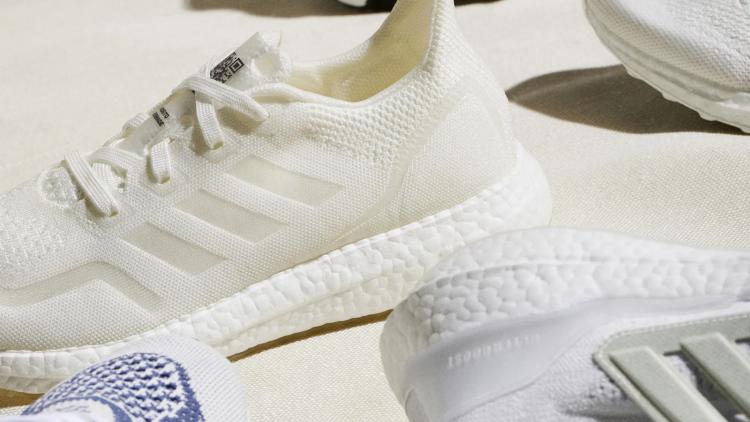
    Adidas has made significant strides in reducing its environmental footprint by implementing various eco-friendly initiatives. One of its primary goals is to use sustainable materials in its products. Adidas has pledged to increase the use of recycled polyester in its apparel and footwear, diverting plastic waste from landfills and reducing the demand for virgin resources. Additionally, Adidas is exploring innovative materials such as recycled ocean plastic and plant-based alternatives to further enhance its sustainability efforts.sponsored

    Adidas has made significant strides in reducing its environmental footprint by implementing various eco-friendly initiatives.

    1. Sustainable Materials Usage: One of Adidas’ primary goals is to use sustainable materials in its products. This includes a commitment to increasing the use of recycled polyester in its apparel and footwear. By doing so, Adidas aims to divert plastic waste from landfills and reduce the demand for virgin resources. Additionally, Adidas is exploring innovative materials such as recycled ocean plastic and plant-based alternatives to further enhance its sustainability efforts.
    2. Waste Reduction: Adidas is dedicated to minimizing waste throughout its production processes. The company works to optimize material usage, reduce production waste, and implement recycling programs in its facilities. By focusing on waste reduction, Adidas aims to minimize its environmental impact and contribute to a more circular economy.
    3. Water Conservation: Water is a precious resource, and Adidas recognizes the importance of water conservation in its operations. The company implements water-saving practices in its manufacturing processes, such as using water-efficient technologies and reducing water usage in dyeing and finishing processes. Adidas also collaborates with suppliers to ensure responsible water management practices throughout its supply chain.
    4. Biodiversity Conservation: Adidas is committed to protecting biodiversity and ecosystems in the regions where it operates. The company works to minimize its impact on natural habitats and species by implementing sustainable land management practices and supporting conservation initiatives. By prioritizing biodiversity conservation, Adidas aims to preserve the planet’s natural resources for future generations.
    5. Transparency and Accountability: Adidas believes in transparency and accountability when it comes to its environmental practices. The company regularly publishes sustainability reports and discloses information about its environmental performance, goals, and progress to the public. By fostering transparency, Adidas seeks to build trust with consumers, stakeholders, and the broader community and drive positive change within the industry.

    In summary, Adidas’ environmental stewardship efforts encompass a wide range of initiatives aimed at reducing its environmental footprint, conserving resources, and promoting transparency and accountability. By prioritizing sustainable materials usage, waste reduction, water conservation, biodiversity conservation, and transparency, Adidas is working towards a more sustainable future and setting a precedent for responsible environmental practices in the sportswear industr

    Ethical Sourcing and Supply Chain Transparency

    Adidas is committed to ensuring ethical practices throughout its supply chain, from sourcing raw materials to manufacturing and distribution. The company works closely with suppliers to uphold fair labor practices, ensure safe working conditions, and respect human rights. Adidas also prioritizes transparency and accountability, regularly disclosing information about its suppliers and supply chain practices to the public. By fostering transparency and collaboration, Adidas strives to build trust with consumers and stakeholders and drive positive change within the industry.

    Adidas is committed to ensuring ethical practices throughout its supply chain, from sourcing raw materials to manufacturing and distribution.

    1. Fair Labor Practices: Adidas works closely with suppliers to uphold fair labor practices and ensure safe working conditions for factory workers. The company adheres to international labor standards and codes of conduct, such as the International Labour Organization’s (ILO) Core Conventions and the Ethical Trading Initiative (ETI) Base Code. Adidas conducts regular audits and assessments of its suppliers to monitor compliance and address any issues related to labor rights and working conditions.
    2. Responsible Sourcing: Adidas prioritizes responsible sourcing of raw materials to minimize environmental and social impacts. The company works with suppliers to trace the origins of materials such as cotton, leather, and rubber and ensure they are sourced sustainably and ethically. Adidas also collaborates with industry partners and stakeholders to develop responsible sourcing guidelines and standards that promote transparency and accountability throughout the supply chain.
    3. Supply Chain Transparency: Adidas believes in transparency and accountability when it comes to its supply chain practices. The company discloses information about its suppliers, factory locations, and supply chain policies to the public through annual sustainability reports, corporate websites, and other communication channels. Adidas also engages with stakeholders, including non-governmental organizations (NGOs) and industry associations, to promote dialogue and transparency around supply chain issues.
    4. Worker Empowerment: Adidas is committed to empowering workers throughout its supply chain and ensuring they have a voice in decision-making processes. The company invests in programs and initiatives that promote worker education, training, and capacity-building, empowering them to advocate for their rights and improve working conditions. Adidas also collaborates with trade unions, worker organizations, and other stakeholders to support collective bargaining and worker representation.
    5. Collaboration and Partnership: Adidas recognizes that addressing supply chain challenges requires collaboration and partnership across the industry. The company works with suppliers, governments, NGOs, and other stakeholders to develop and implement initiatives that promote ethical sourcing, improve working conditions, and drive positive change within the supply chain. By fostering collaboration and partnership, Adidas seeks to create a more transparent, responsible, and sustainable supply chain that benefits workers, communities, and the environment.

    In summary, Adidas’ commitment to ethical sourcing and supply chain transparency is reflected in its efforts to uphold fair labor practices, promote responsible sourcing, disclose information about its supply chain practices, empower workers, and collaborate with stakeholders to drive positive change. By prioritizing ethical practices throughout its supply chain, Adidas aims to build trust with consumers, stakeholders, and the broader community and contribute to a more sustainable and responsible fashion industry.

    Circular Economy Initiatives

    Adidas is embracing the principles of the circular economy to minimize waste and maximize resource efficiency. The company is exploring innovative solutions to extend the lifespan of its products and reduce the environmental impact of its operations. For example, Adidas has launched initiatives such as the Adidas Infinite Play program, which encourages customers to return their old or worn-out Adidas products for recycling or repurposing. By closing the loop and reintroducing materials back into the production cycle, Adidas aims to create a more sustainable and circular approach to product design and manufacturing.

    Adidas is embracing the principles of the circular economy to minimize waste and maximize resource efficiency.

    1. Extended Product Lifespan: Adidas is committed to extending the lifespan of its products through durable design and quality construction. By prioritizing durability and longevity, Adidas ensures that its products last longer and are less likely to end up in landfills. Additionally, Adidas offers repair and refurbishment services to extend the lifespan of its products even further, allowing customers to repair and refresh their Adidas gear instead of replacing it.
    2. Recycling and Repurposing: Adidas is exploring innovative solutions to recycle and repurpose materials at the end of their life cycle. The company collects used and worn-out products from customers through programs such as Adidas Infinite Play, where customers can return their old Adidas products for recycling or repurposing. Adidas then processes these materials to create new products or incorporate them into existing products, closing the loop and reducing the need for virgin resources.
    3. Design for Disassembly: Adidas is designing products with disassembly in mind, making it easier to separate and recover materials at the end of their life cycle. By designing products with modular components and fewer material blends, Adidas enables easier disassembly and recycling. This design approach promotes resource recovery and minimizes waste, contributing to a more circular and sustainable production model.
    4. Collaborative Partnerships: Adidas collaborates with partners across the industry to drive circular economy initiatives and promote closed-loop solutions. The company works with suppliers, manufacturers, recyclers, NGOs, and other stakeholders to develop and implement innovative solutions that minimize waste, maximize resource efficiency, and promote circularity throughout the product lifecycle. By fostering collaboration and partnership, Adidas seeks to accelerate the transition to a circular economy and create a more sustainable future for the fashion industry.
    5. Consumer Education and Engagement: Adidas educates and engages consumers about the importance of the circular economy and encourages them to participate in recycling and repurposing programs. Through marketing campaigns, educational materials, and communication channels, Adidas raises awareness about the environmental benefits of recycling and encourages consumers to take action by returning their used products for recycling or repurposing. By empowering consumers to play an active role in the circular economy, Adidas fosters a sense of responsibility and ownership for sustainable consumption practices.

    In summary, Adidas’ circular economy initiatives focus on extending product lifespan, recycling and repurposing materials, designing for disassembly, fostering collaborative partnerships, and engaging consumers in sustainable consumption practices. By embracing the principles of the circular economy, Adidas aims to minimize waste, maximize resource efficiency, and create a more sustainable and responsible fashion industry for future generations.

    Energy Efficiency and Carbon Reduction

    Adidas is committed to reducing its carbon footprint and minimizing its reliance on fossil fuels. The company has implemented energy-efficient practices in its manufacturing facilities, such as using renewable energy sources and optimizing production processes to reduce energy consumption. Adidas has also set ambitious targets to reduce its greenhouse gas emissions, aiming for carbon neutrality across its operations by 2050. By investing in renewable energy and embracing energy-efficient technologies, Adidas is working towards a more sustainable future and mitigating the impacts of climate change.

    Adidas is committed to reducing its carbon footprint and minimizing its reliance on fossil fuels.

    1. Renewable Energy: Adidas is investing in renewable energy sources to power its operations and reduce its reliance on fossil fuels. The company is implementing solar, wind, and other renewable energy solutions in its manufacturing facilities, offices, and distribution centers. By harnessing the power of renewable energy, Adidas reduces its greenhouse gas emissions and contributes to a more sustainable energy future.
    2. Energy-Efficient Technologies: Adidas is implementing energy-efficient technologies and practices to reduce energy consumption in its operations. This includes upgrading lighting systems, optimizing HVAC systems, and investing in energy-efficient machinery and equipment. By improving energy efficiency, Adidas minimizes its environmental impact and lowers its operating costs, contributing to long-term sustainability and profitability.
    3. Carbon Neutrality Commitment: Adidas has set ambitious targets to reduce its greenhouse gas emissions and achieve carbon neutrality across its operations. The company is implementing strategies to measure, monitor, and reduce its carbon footprint, including setting science-based targets aligned with the Paris Agreement. Adidas is also investing in carbon offset projects to neutralize its remaining emissions, such as reforestation and renewable energy initiatives.
    4. Supply Chain Emissions Reduction: Adidas is collaborating with suppliers to reduce greenhouse gas emissions throughout its supply chain. The company works with suppliers to identify opportunities for energy efficiency improvements, transition to renewable energy sources, and optimize transportation and logistics operations. By engaging suppliers in emissions reduction efforts, Adidas extends its environmental impact beyond its own operations and promotes sustainability throughout the supply chain.
    5. Transparency and Reporting: Adidas believes in transparency and accountability when it comes to its carbon reduction efforts. The company regularly discloses information about its greenhouse gas emissions, reduction targets, and progress towards carbon neutrality in sustainability reports and other communications. By fostering transparency, Adidas builds trust with consumers, stakeholders, and the broader community and demonstrates its commitment to addressing climate change.

    In summary, Adidas’ energy efficiency and carbon reduction efforts encompass a range of initiatives aimed at reducing greenhouse gas emissions, minimizing energy consumption, and promoting renewable energy usage. By investing in renewable energy, implementing energy-efficient technologies, committing to carbon neutrality, collaborating with suppliers, and fostering transparency, Adidas is working towards a more sustainable and low-carbon future for the fashion industry and the planet as a whole.

    Conclusion: Driving Positive Change

    In conclusion, Adidas is leading the charge towards a more sustainable and ethical fashion industry through its eco-friendly initiatives and ethical practices. By prioritizing environmental stewardship, ethical sourcing, circular economy principles, and carbon reduction efforts, Adidas is driving positive change and setting a precedent for responsible business practices within the sportswear industry. As consumers increasingly demand sustainable and ethical products, Adidas continues to demonstrate its commitment to creating a better world for current and future generations.

    In conclusion, Adidas stands as a trailblazer in the fashion industry, driving positive change through its commitment to sustainability, ethical practices, circular economy initiatives, and carbon reduction efforts.

    1. Commitment to Sustainability: Adidas has demonstrated a strong commitment to sustainability by implementing eco-friendly initiatives, such as using sustainable materials, minimizing waste, conserving water, and protecting biodiversity. By prioritizing sustainability throughout its operations, Adidas aims to minimize its environmental impact and contribute to a healthier planet.
    2. Ethical Sourcing and Transparency: Adidas upholds ethical sourcing practices and promotes transparency throughout its supply chain. The company works closely with suppliers to ensure fair labor practices, safe working conditions, and responsible sourcing of raw materials. By fostering transparency and accountability, Adidas builds trust with consumers and stakeholders and drives positive change within the industry.
    3. Circular Economy Initiatives: Adidas embraces the principles of the circular economy to minimize waste and maximize resource efficiency. Through initiatives such as extended product lifespan, recycling and repurposing, design for disassembly, and collaborative partnerships, Adidas promotes circularity throughout the product lifecycle and contributes to a more sustainable and responsible fashion industry.
    4. Energy Efficiency and Carbon Reduction: Adidas is committed to reducing its carbon footprint and minimizing its reliance on fossil fuels. By investing in renewable energy, implementing energy-efficient technologies, committing to carbon neutrality, engaging suppliers in emissions reduction efforts, and fostering transparency, Adidas works towards a more sustainable and low-carbon future for the fashion industry and the planet as a whole.

    In summary, Adidas’ efforts to drive positive change in the fashion industry are evident in its sustainability initiatives, ethical practices, circular economy initiatives, and carbon reduction efforts. By prioritizing sustainability, promoting transparency, embracing circularity, and reducing its carbon footprint, Adidas sets a precedent for responsible business practices and inspires others to follow suit. As we look ahead to the future, one thing is clear: Adidas’ dedication to sustainability and ethicality will continue to shape the fashion industry and create a better world for current and future generations.